
"Lake Kivu"
200 article(s) found

World famous coffee beans and their origin coffee common sense
Latin American coffee beans (Central and South America) Brazil: Santos, Bahia, Cerrado, Mogiana Mexico: Coatepec, Huatusco, Orizaba, Maragogype, Tapanchula, Huixtla, Plumaco

A brief introduction to the world-famous coffee beans and their producing areas
Latin American coffee beans (Central and South America) Brazil: Santos, Bahia, Cerrado, Mogiana Mexico: Coatepec, Huatusco, Orizaba, Maragogype, Tapanchula, Huixtla, Plumako

Coffee production in various countries of the world
Latin America Brazil: Santos, Bahia, Cerrado, Mogiana Mexico: Coatepec, Huatusco, Orizaba, Maragogype, Tapanchula, Huixtla, Pluma Coi
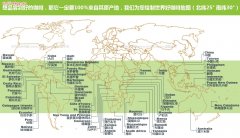
Introduction of well-known individual coffee beans and their origin in the world
Latin American coffee beans (Central and South America) Brazil: Santos, Bahia, Cerrado, Mogiana Mexico: Coatepec, Huatusco, Orizaba, Maragogype, Tapanchula, Huixtla, Plumako
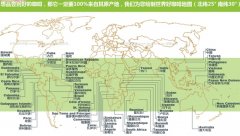
World-famous coffee beans and their origin
Latin American coffee beans (Central and South America) Brazil: Santos, Bahia, Cerrado, Mogiana Mexico: Coatepec, Huatusco, Orizaba, Maragogype, Tapanchula, Huixtla, Plumako

Coffee origin world-famous individual coffee beans and their origin
Latin American coffee beans (Central and South America) Brazil: Santos, Bahia, Cerrado, Mogiana Mexico: Coatepec, Huatusco, Orizaba, Maragogype, Tapanchula, Huixtla, Plumako

Coffee common sense world-famous coffee beans and their origin
Latin American coffee beans (Central and South America) Brazil: Santos, Bahia, Cerrado, Mogiana Mexico: Coatepec, Huatusco, Orizaba, Maragogype, Tapanchula, Huixtla, Plumako

Kirimbi Kailengra-West Asia Processing Plant Information, Nyamasheke Region, Western Province of Rwanda Coffee
Professional coffee knowledge exchange More coffee bean information Please pay attention to coffee workshop (Weixin Official Accounts cafe_style) ◎ Introduction: Rwanda coffee-Kerengra-West Asia processing plant is located in the southwest of Rwanda, not far from the green hills on the south bank of Lake Kivu. It was founded in 2006, and although the treatment plant is at an altitude of 1800 meters, the harvested coffee even spans up to 20 meters.
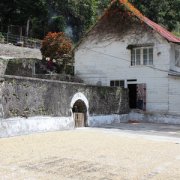
Story of Rwanda Coffee processing Plant Flavor characteristics of Boutique Coffee growing Environment in Gesak, Rwanda
Two days ago, Rwandan coffee beans were found in Qianjie, not from any manor but from Gesak washing processing station. Very interested in this phenomenon, is it like Kenyan coffee that small coffee farmers send their coffee to the washing station? After checking the data, we found that this is indeed the case. Many coffee farmers in Rwanda are unable to create as many large coffee farms as large coffee farms around the world.

Individual Coffee-Coffee Origin introduction to Latin America
Single Coffee-Coffee producing area single Coffee Atlas Latin America Brazil: Santos, Bahia, Cerrado, Mogiana Mexico: Coatepec, Huatusco, Orizaba, Mar
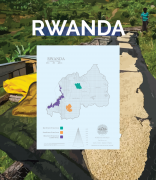
Rwandan coffee beans taste characteristics| History of Rwandan Coffee Varieties and Their Harvesting
Rwanda is not a traditional coffee-producing country. In fact, the local people do not have the habit of drinking coffee. Almost 100% of the coffee produced is exported, and the annual output is more than 18000 tons, which is a huge number. So where did all these coffee beans come from? Rwanda's harvest season is generally from March to August. Due to changes in weather conditions, there is usually a higher yield in April, but there are also July.
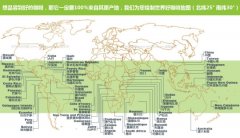
Common sense of coffee beans world-famous individual coffee beans and their origin
Latin American coffee beans (Central and South America) Brazil: Santos, Bahia, Cerrado, Mogiana Mexico: Coatepec, Huatusco, Orizaba, Maragogype, Tapanchula, Huixtla, Plumako

Common sense of coffee beans world-famous individual coffee beans and their origin
Latin American coffee beans (Central and South America) Brazil: Santos, Bahia, Cerrado, Mogiana Mexico: Coatepec, Huatusco, Orizaba, Maragogype, Tapanchula, Huixtla, Plumako
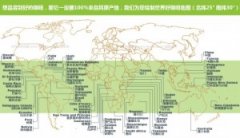
Types of boutique coffee beans world-famous boutique coffee beans and their producing area distribution map
World Fine Coffee Map Latin American Coffee beans (Central and South America) Brazil: Santos, Bahia, Cerrado, Mogiana Mexico: Coatepec, Huatusco, Orizaba, Maragogype, Tapanchula, H

Understand the types of boutique coffee beans world-famous boutique coffee beans and their origin distribution map
World Fine Coffee Map Latin American Coffee beans (Central and South America) Brazil: Santos, Bahia, Cerrado, Mogiana Mexico: Coatepec, Huatusco, Orizaba, Maragogype, Tapanchula, H

Introduction of Congolese coffee producing areas is Arabica or Robusta?
In the 1970s, the Democratic Republic of the Congo was one of the major coffee exporters in Africa. However, the civil war and political unrest that have continued since the 1990s have had a huge impact on the country's coffee industry. In addition to poverty and disease, conflicts have claimed 6 million lives and displaced thousands in recent years
World-famous individual coffee beans and their origin China Coffee net China Coffee Trading Network Latin America
Introduction] Latin American coffee beans (Central and South America) middot; Brazil: Santos (Santos), Bahia (Bahia), Syrador (Cerrado), Mojiana (Mogiana) middot; Mexico: Coatepec, Huatusco, Orezaba (Orizab Latin American coffee beans (Central and South America) Brazil

Where do the world-famous individual coffee beans and their high-quality coffee beans come from? Where is the best production?
Latin American coffee beans (Central and South America) Brazil: Santos, Bahia, Cerrado, Mogiana Mexico: Coatepec, Huatusco, Orizaba, Maragogype, Tapanchula, Huixtla, Plumako
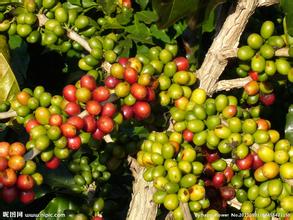
World boutique coffee beans: an introduction to the types of world-famous coffee beans and their different producing areas
[introduction] Latin American Coffee beans (Central and South America) Brazil: Santos, Bahia, Cerrado, Mogiana Mexico: Coatepec, Huatusco, Eurizaba (Orizab Latin American Coffee beans (Central and South America) Brazil: Santos (Santos), Bahia (Bahia), Xi Xi

Rwandan coffee with a unique and perfect flavor
Dry aroma: deep chocolate, hazelnut (nutty), persistent fruit, wet peach: Woody, creamy, nutty, pepper, mango sweetness sipping: melon-like sweetness. The acidity is bright and obvious, with slightly astringent in front. As thick as cream body, black tea-like aroma of the throat continues to be rich and solid. The tiny highland beans, which have always been favored,